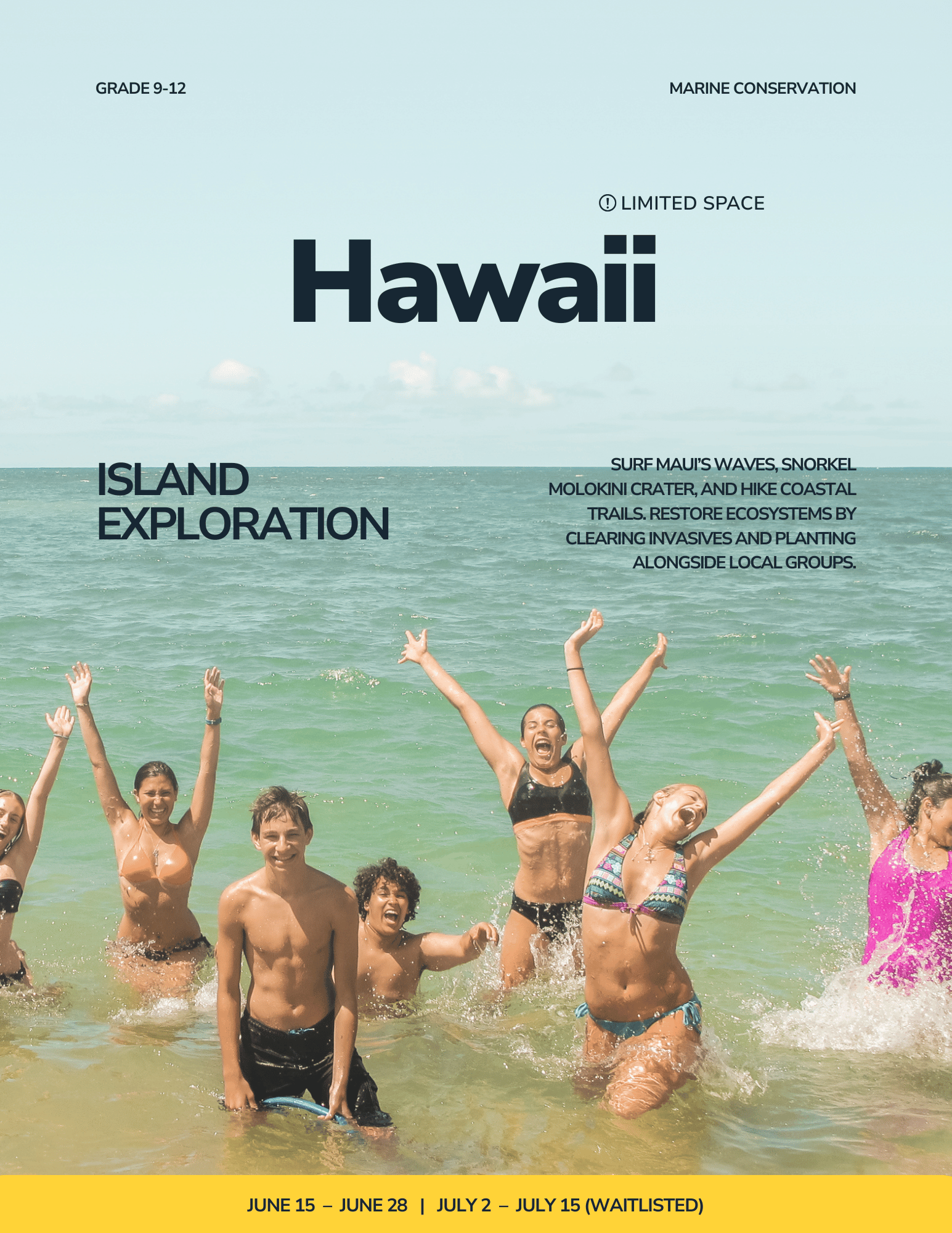
In ancient Hawaii, the konohiki, or caretakers, looked after the ahupua’a, a section of land stretching from the mountains to the sea. This age-old conservation system prevented exploitation, pollution, and the extinction of plants, animals and marine species while allowing the people to take what they needed for sustenance. Join us on Maui and Kauai where we will work as the konohiki did, making our way from land to sea while working to conserve both for future generations.
We meet in Maui — home of enormous pipeline waves, beautiful beaches, and one of the most abundant ecosystems on the planet. Maui, long known as an island paradise, lures millions of visitors each year, contributing to a booming economy and low unemployment rates. Despite its active economy, many natives still live without basic necessities such as a home. We partner with Habitat for Humanity to help eliminate homelessness and substandard housing on the island. Offering a hand up, we build new homes in partnership with a qualified low-income family. They work alongside us, contributing sweat equity to the building of their own home, and together we join relatives, friends and members of the community to complete the project.
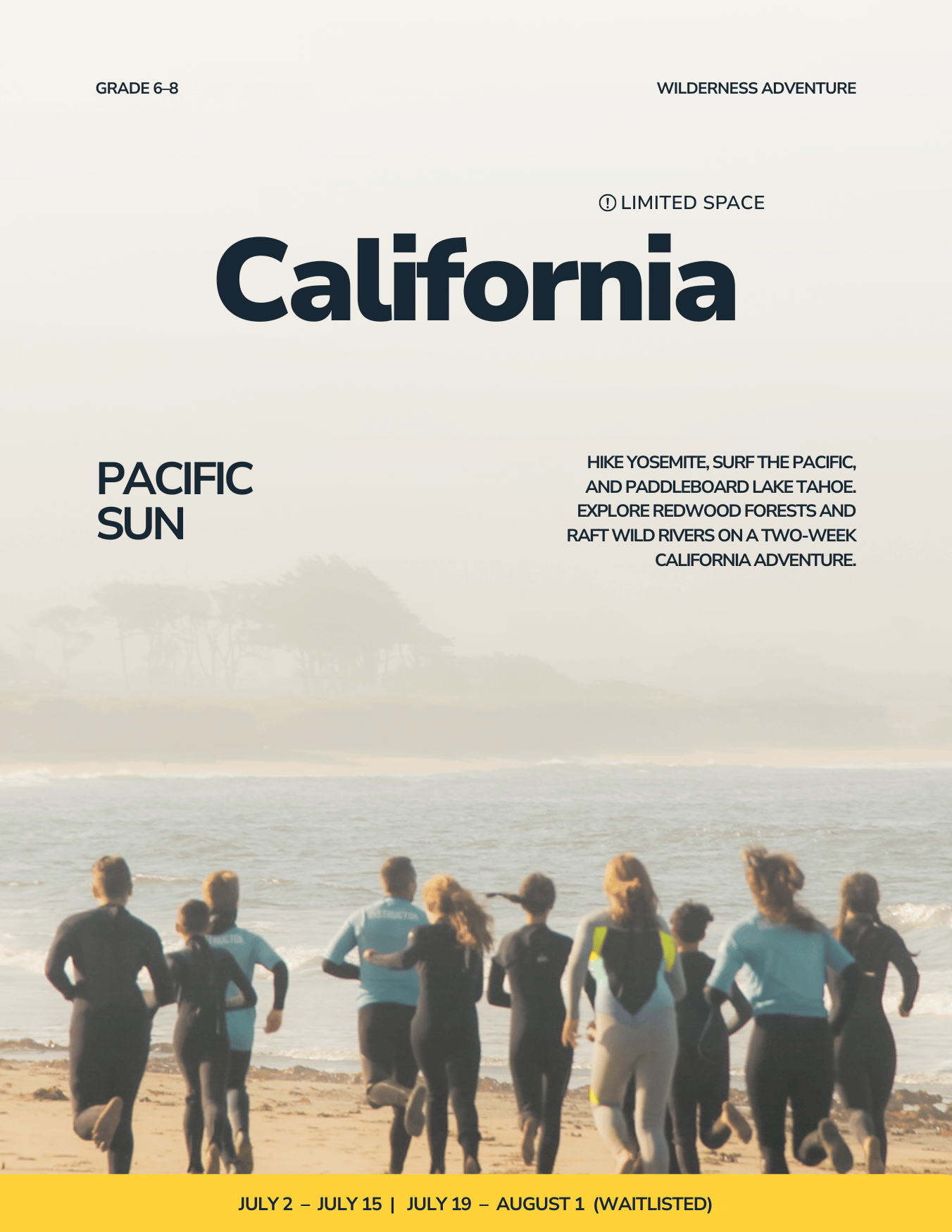
Once our day’s work is complete, we spend the afternoons hiking to area waterfalls and snorkeling the crystal blue waters of the Pacific Ocean. We even spend a day riding the waves after enjoying the first of our surf lessons on Lahaina Beach, one of Maui’s most famous beaches.
We leave one island paradise and venture to another: the island of Kauai. Our exploration takes us to a stretch of land along the Nā Pali Coast. Surrounded by plunging valleys, fluted walls and razor-sharp ridges soaring thousands of feet up from the Pacific, we see how Nā Pali has come to represent paradise on Earth.
We travel back in time to the ancient tradition of the ahupua’a, communities that forged a balance between land, water, economic, social and cultural choices. We work alongside native Hawaiians as we restore rare plant species in a variety of ecosystems. We hear their stories, learn about their culture, and share traditional meals. Our work is integral to the functioning of this environment. Every stream we clear and every plant we place in the ground is part of the balance to this culture.
We also bring balance to the sea, as we work to protect the Hawaiian monk seal, one of the most endangered creatures on earth, with only an estimated 1,400 still in existence. Monk seals are not a widely migrating species, therefore, they must “stick it out” where they are. Because of their geographic restrictions, Hawaiian monk seals are extremely vulnerable to human impact. Our work includes assisting monk seal pupping events and aiding area scientists with educating the public about the twenty-five or so monk seals that call Kauai home. It’s not all work and no play, however, as we participate in the rich Hawaiian tradition of le’ale’a (otherwise known as “having fun”).
Kauai is known for its perfect nalu (waves), and we build on the surfing skills we learned back on Maui. By the end of our surfing session we’ll be able to pick a wave, time its approach, surf, and of course, wipe out. We also kayak down the idyllic Hanalei River out to Hanalei Bay, known for its awe-inspiring panoramic views of the Pacific. Another day, we kayak down the pristine Wailua River, one of Hawaii’s most sacred places, to a beautiful bridal veil waterfall. We jump out of our boats and snorkel the fauna-rich waters where fish and turtles swim around us in an amazing display of color. As if paddling wasn’t enough, we lend our hands on catamarans as we work on our sailing skills and enjoy the beauty of one of the most picturesque coastlines in the world.
In Hawaii, it is an ancient custom to celebrate auspicious occasions with a feast. We end our journey with a celebration, giving thanks to our Hawaiian friends for sharing with us the beauty of their culture. Aloha.