
3 Things Families Don't Know About Our Colorado High School Trip
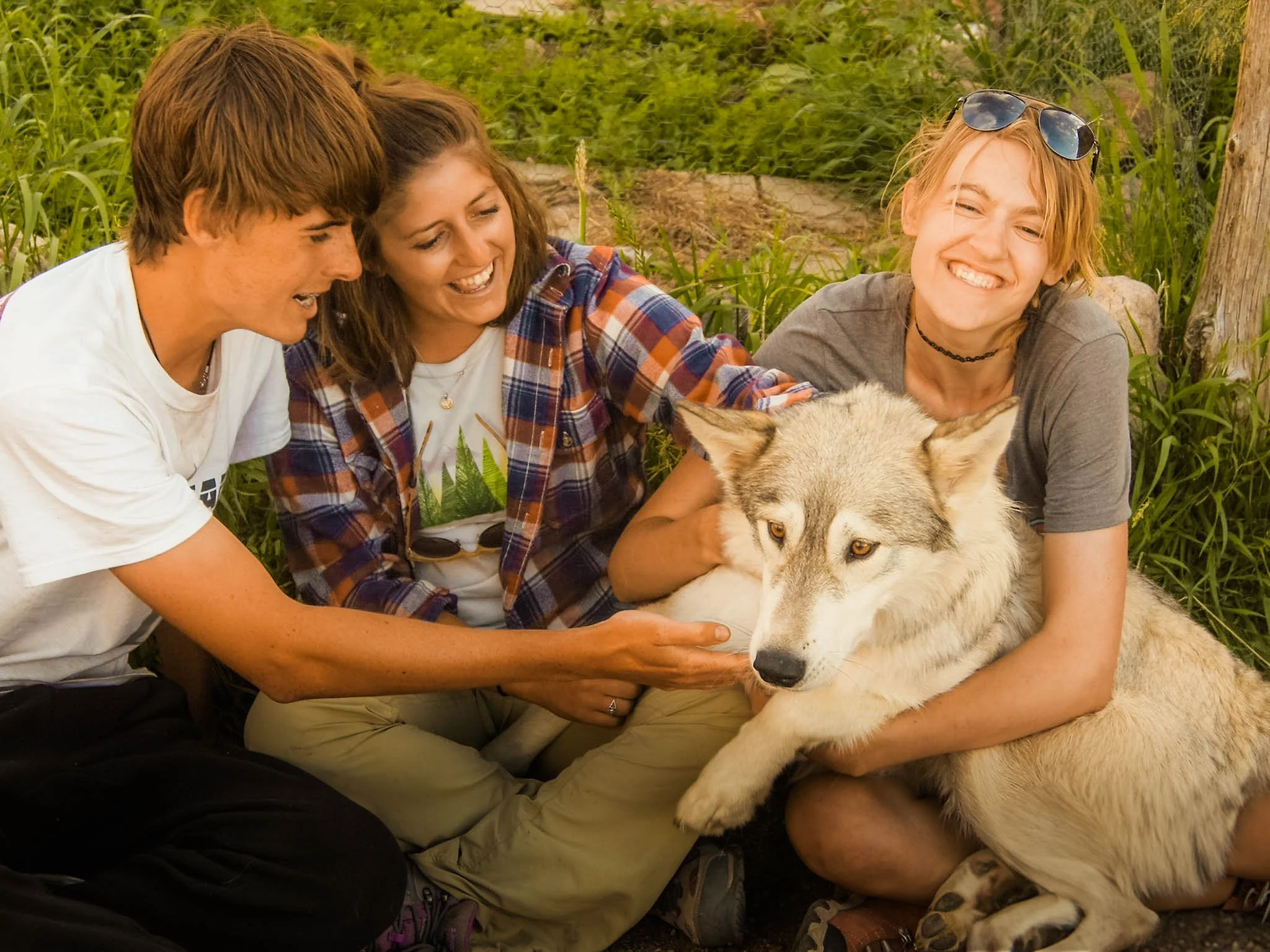
The thing that makes our Colorado high school trip different is not only the mountains, the rafting, or the sand dunes.
It is the stretch of days based at Mission: Wolf.
Students arrive in Denver, begin in Colorado Springs, hike Garden of the Gods, and then travel south to a sanctuary for rescued wolves. From there, the trip builds around service, camping, hiking, rafting, paddleboarding, hot springs, sand dunes, and climbing.
Here are three things families may not know before reading the full itinerary.
1. The trip is anchored by Mission: Wolf
Day 3 is the transfer to Mission: Wolf, a sanctuary for rescued wolves in southern Colorado. The group tours the site, gets oriented, and sets up camp for the days ahead.
Days 4 to 6 are focused on wolf sanctuary service and a visit to Westcliffe. Students help with hands-on projects like feeding wolves, chopping firewood, fencing, and basic construction. They also learn about wolf behavior and reintroduction efforts. On Day 6, the group heads into Westcliffe for pizza, ice cream, and a break from the work rhythm.
Days 7 and 8 continue the Mission: Wolf stretch, with more service and hiking in the nearby Sangre de Cristo Mountains.
That is a different pace than a quick volunteer stop. Students are based in one place long enough to understand some of the daily work behind a sanctuary: food, firewood, fencing, tools, routines, cleanup, and respect for the animals and staff who live there year-round.
2. The second half shifts to Buena Vista and the Arkansas River
After Mission: Wolf, the group travels to Buena Vista.
Day 10 is a full Colorado day: rafting Class II to III rapids through Browns Canyon on the Arkansas River, followed by a hike on Cottonwood Pass with views from the Continental Divide.
Day 11 slows down without turning into a rest day. Students stand-up paddleboard on a calm stretch of river, then soak at Mt. Princeton Hot Springs with mountain views around them.
This part of the trip asks for a different kind of attention than the sanctuary work. On the river, students listen for paddle commands and move as a raft crew. On the hike, they pay attention to pace, weather, layers, water, and how the group is doing.
3. Students camp the full 14 days
The Colorado high school trip is tent camping only.
Students sleep in shared tents, 2 to 3 people per tent, divided by gender. RLT provides the tents and group gear. Bathrooms are camp-style flush toilets, and showers are available every 3 to 4 days.
Students help with meal prep, camp upkeep, and group logistics. Cook crews rotate through cooking and cleanup, with meals prepared together at basecamp or on the trail.
That shared routine is part of the trip. Students are not checking into hotels between activities. They are packing and unpacking, keeping track of their gear, helping with meals, managing simple camp routines, and living closely with the group for two weeks.
The final stretch: dunes, waterfalls, climbing, and the banquet
Day 12 is Great Sand Dunes National Park, home to the tallest dunes in North America. Students hike, climb, try sandboarding, and stop at waterfalls in the Sangre de Cristo Mountains on the way back to camp.
Day 13 is climbing basics in San Isabel National Forest, with nearby trails and the final RLT banquet under the stars.
Day 14 is an early wake-up, packing, and travel back to Denver for flights home.
What families should know before applying
Accommodations. This is a 14-day tent camping trip. Students sleep in shared tents, 2 to 3 people per tent, divided by gender. RLT provides the tents.
Bathrooms and showers. Bathrooms are camp-style flush toilets. Showers are available every 3 to 4 days.
Food. Meals are cooked together at basecamp or on the trail. Students rotate through cooking and cleanup duties. Expect simple, filling meals like burrito bowls, pasta, pancakes, grilled cheese, and stir-fry.
Service. The trip includes 20 to 30 service hours. At Mission: Wolf, students may help feed wolves, chop firewood, repair fencing, support basic construction, and learn about wolf behavior and reintroduction efforts.
Rafting. Students raft Class II to III rapids through Browns Canyon on the Arkansas River with trained outfitters and RLT leaders.
Climbing. Students learn climbing basics in San Isabel National Forest. Expect climbing real granite routes in the San Isabel backcountry.
Packing. RLT recommends one checked soft duffel bag, not a rolling suitcase, plus a small carry-on backpack. Students bring personal clothing, toiletries, a sleeping bag, and a sleeping pad. RLT provides group gear, including tents, cooking equipment, and specialized activity gear.
Phones. All RLT trips are phone-free by design. Leaders collect phones and electronics on Day 1 and return them at the end of the trip. Students may bring a camera or GoPro as long as it does not connect to the internet.
How to talk to your teen about this trip
Before they go, you might say:
“You’ll spend several days based at a wolf sanctuary, then move into rafting, paddleboarding, hot springs, sand dunes, hiking, and climbing. You’ll camp the full trip, help with meals, and be off your phone. The leaders will teach the routines, but you’ll be expected to help.”
After they come home, ask:
“What did Mission: Wolf need help with while you were there?”
“What was the rafting day like?”
“What did your cook crew make?”
“What surprised you about camping for two weeks?”
Explore the Colorado high school trip
For dates, tuition, itinerary, accommodations, packing details, and the technology policy, see the full Colorado High School itinerary.