
3 Things Most Families Don't Know About Our Puerto Rico Middle School Trip
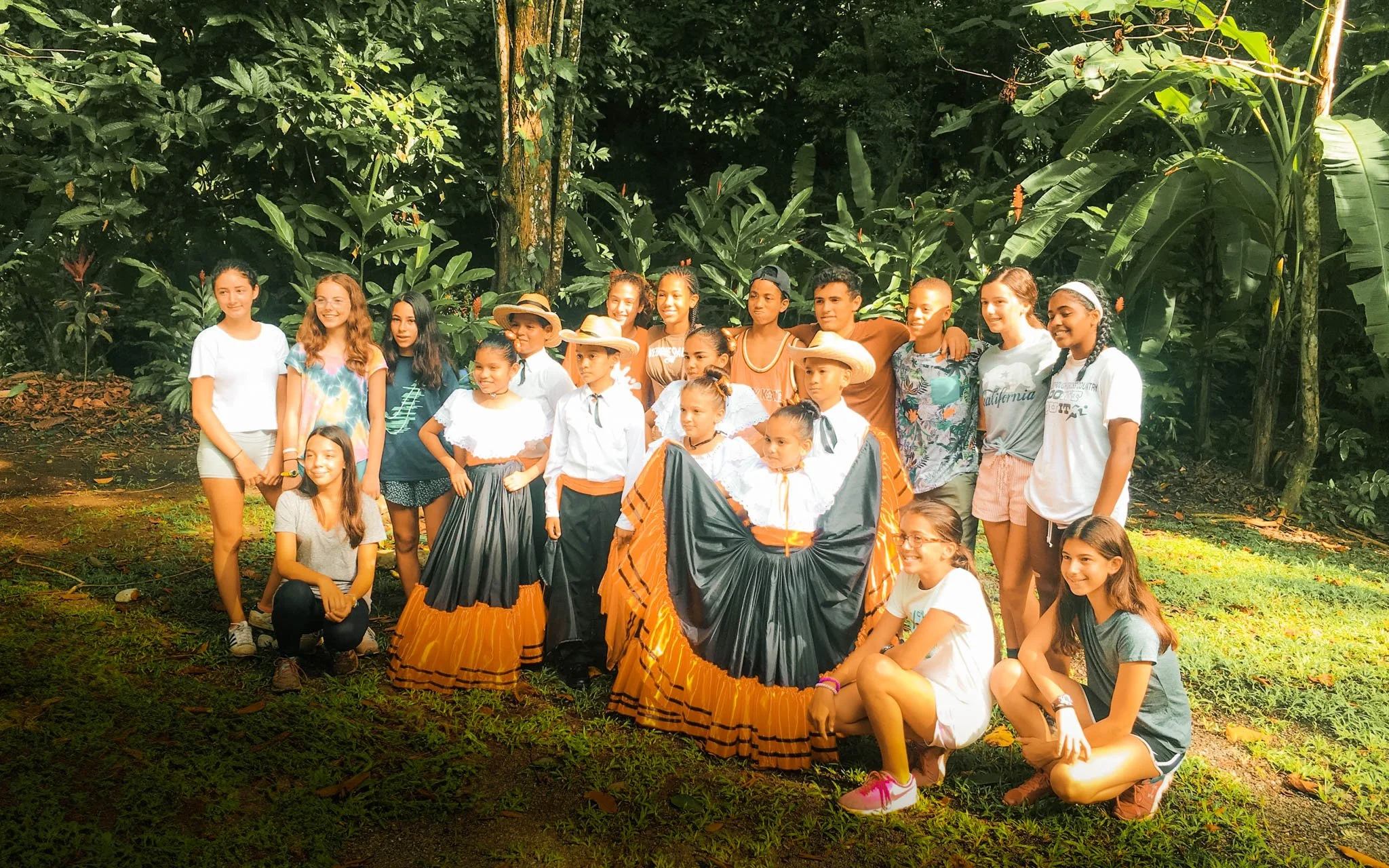
Our Puerto Rico middle school trip is called Reefs to Rainforest for a reason.
Students move between the coast, El Yunque National Rainforest, service projects, Old San Juan, snorkeling, paddleboarding, ziplining, and a bioluminescent lagoon. The trip is active, but it is built for middle school students completing grades 6 to 8.
Here’s what families may not know before reading the full itinerary.
1. The service starts early
Days 3 to 5 are focused on environmental service and community projects.
On Day 3, the group begins environmental service with local organizations focused on hurricane recovery and conservation. That evening, students kayak through a mangrove-lined canal into a bioluminescent lagoon, watching the water glow with each stroke.
Day 4 continues the service work. The group also meets with community members to hear how Hurricane Maria impacted their lives, connecting the projects to the people and communities behind them.
On Day 5, students wrap up their service efforts with a project that directly supports a local community. In the afternoon, they head to Condado Lagoon for stand-up paddleboarding, games, and time on the water.
The trip includes 10 to 15 service hours.
2. Students see Puerto Rico from the rainforest and the water
Day 2 starts in El Yunque National Rainforest, the only tropical rainforest in the U.S. National Forest System. Students hike with a local guide, explore trails, pools, and waterfalls, and learn about native species like the coqui tree frog.
Day 6 brings the group back to El Yunque for another hike, panoramic views, and Puerto Rican food.
The water days are woven through the trip. Day 7 includes El Escambrón Beach, where students snorkel, swim, and look for coral reef marine life. Day 8 is a guided snorkeling tour along the coast, with the chance to spot sea turtles, tropical fish, and other marine life while learning about reef ecosystems from local guides.
Day 9 shifts back into the rainforest for ziplining above the canopy, with ocean views in the distance.
That mix is what makes the trip feel full without turning it into a sightseeing checklist. Students are not only looking at Puerto Rico. They are hiking, swimming, paddling, serving, learning, and moving through several different ecosystems.
3. The cultural pieces are built into the itinerary
The trip does not stay only on beaches and trails.
Day 7 starts in Old San Juan, where the group explores the colorful streets and history of the city before heading to El Escambrón Beach.
Day 10 includes a visit to an archaeological site to learn about the Indigenous history of Puerto Rico.
Day 11 brings the group back to Old San Juan to visit Castillo San Felipe del Morro, with coastal views from the fort. The day also includes a salsa class and time learning about Puerto Rico’s cultural rhythms.
Day 12 is a family-run coffee farm tour, where students learn about Puerto Rican coffee production, followed by a hike through a Pterocarpus forest.
Day 13 closes with one more hike, beach time, and the final RLT banquet before students travel home from San Juan on Day 14.
What families should know before applying
Trip length and grade range. This is a 14-day trip for middle school students completing grades 6 to 8.
Service hours. 10 to 15 hours of service work.
Accommodations. Students stay in a private, locally owned Airbnb-style house throughout the trip. Rooms are shared, with 4 to 8 students per room, divided by gender.
Bathrooms and showers. The house has A/C and flush bathrooms. Short showers are available, typically every 1 to 2 days.
Food. Meals are made together using local ingredients in full kitchens at the group housing. Students rotate through cooking and cleaning duties with staff support. Expect meals like rice and beans, plantains, tacos, grilled chicken, fresh fruit, pancakes, and familiar crowd-pleasers.
Water activities. The itinerary includes snorkeling, swimming, paddleboarding, and kayaking. Students should be comfortable spending time in and around the water. If your child has significant water anxiety, talk with us before enrolling so we can help you think through fit.
Packing. RLT recommends one checked soft duffel bag, not a rolling suitcase, plus a small carry-on backpack. Families bring personal clothing, toiletries, and individual gear. RLT provides group gear and specialized activity equipment needed for the trip.
Passport. U.S. citizens do not need a passport for this program.
Phones. RLT programs are phone-free. Leaders collect phones and electronics on Day 1 and return them at the end of the trip. Digital cameras and GoPros are welcome as long as they do not connect to the internet.
Questions families often ask
Is this trip built for middle school students?
Yes. The trip is designed for students completing grades 6 to 8. The itinerary includes active days, shared rooms, group meals, service work, and time away from phones.
What if my child has never done service work before?
That is okay. Leaders and local partners help students understand what the project is, what needs to be done, and how to contribute. The service work may include environmental restoration, community projects, and learning from local community members.
Does my child need to be an experienced snorkeler?
We do not list prior snorkeling experience as a requirement. Water comfort does matter because the itinerary includes snorkeling, swimming, paddleboarding, and kayaking. We can talk through that with you before enrollment.
Will they really see the bioluminescent lagoon?
The itinerary includes kayaking through a mangrove-lined canal into a bioluminescent lagoon. Like all outdoor plans, timing and conditions can affect the exact experience. Expect that plans can shift because of weather, group energy, and new opportunities.
Where do students sleep?
Students stay in private, locally owned Airbnb-style housing with shared rooms divided by gender. The trip does not include camping.
How to talk to your student about this trip
Before they go, you might say:
“You’ll stay in group housing, help with cooking and cleanup, and spend two weeks off your phone. You’ll do environmental service, hike in El Yunque, snorkel, paddleboard, kayak, zipline, visit Old San Juan, and learn about Puerto Rico’s history and ecosystems.”
After they come home, ask:
“What did your group work on during service?”
“What was El Yunque like?”
“What did you notice while snorkeling?”
“What did you cook with your group?”
Explore the Puerto Rico middle school trip
For dates, tuition, itinerary, accommodations, packing details, paperwork, and the technology policy, see the full Puerto Rico Middle School itinerary.