
3 Things Most Families Don't Know About Our Spain Trip
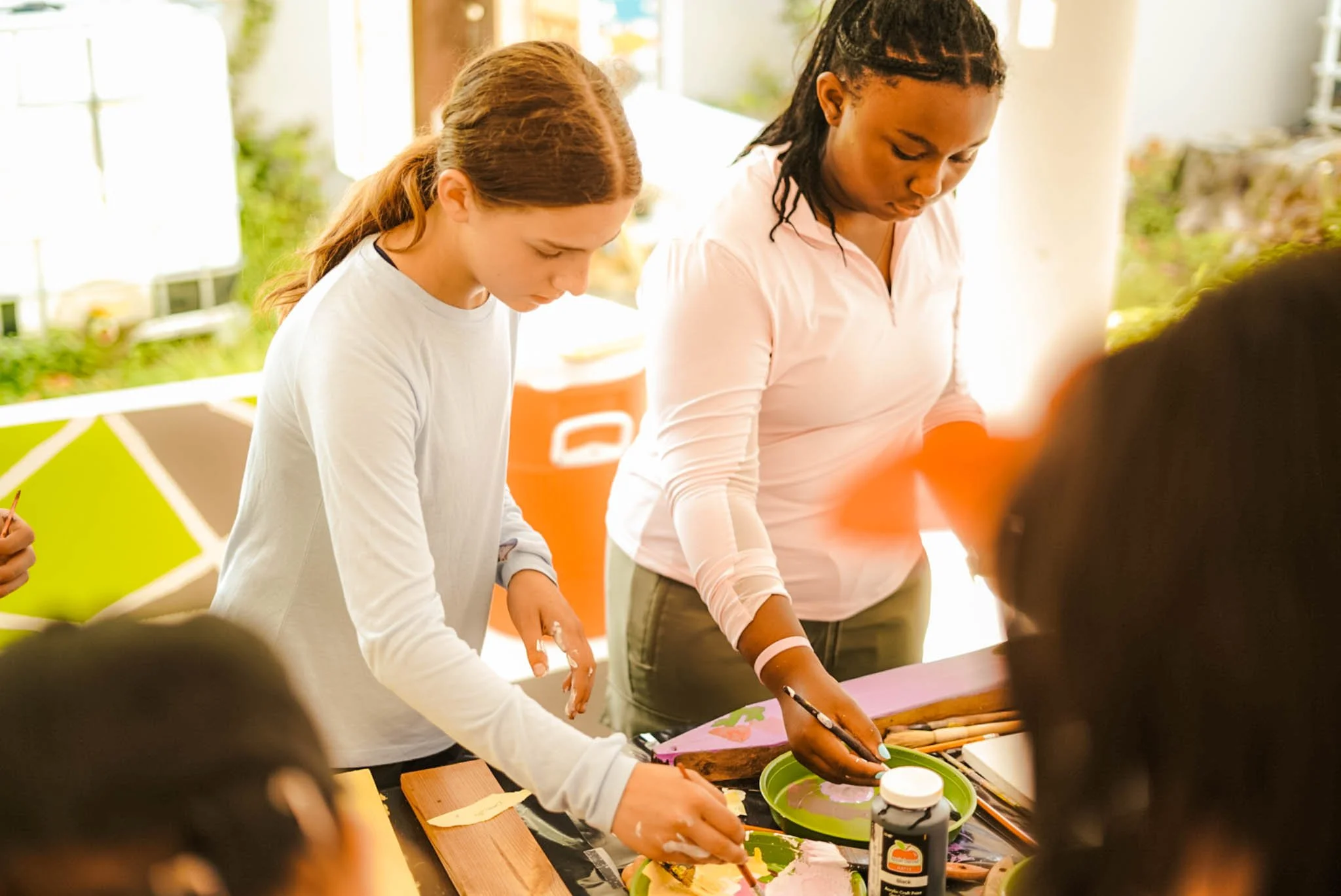
Spain: Connect Through Community is a 14-day high school trip through Barcelona, Costa Brava, and rural Catalonia.
Students start along the coast, hiking near Cadaqués, kayaking through Costa Brava coves, taking on a coastal Via Ferrata route, and exploring Palamós. The second half shifts to Barcelona, where students spend mornings supporting food waste redistribution and community projects, then afternoons exploring the city’s history, architecture, food, and culture.
Here are three things families may not know before reading the full itinerary.
1. The service work is focused on food redistribution and community support
Days 8 to 12 are based in Barcelona.
Students partner with local organizations focused on food waste redistribution and other community support projects. In the mornings, they support those efforts hands-on. In the afternoons, they explore the city through places like Park Güell and Sagrada Família, local food, and a flamenco experience.
The Spain trip includes 15 to 20 service hours.
That structure matters. Students are not doing one isolated service afternoon. They return to the work over several days, while also learning the city around it.
2. The first week is Costa Brava, not only Barcelona
The trip begins on the coast.
After arriving in Barcelona, the group transfers to the Costa Brava region, sets up camp, and begins settling in.
Day 3 is a hike along scenic coastal trails, followed by time in Cadaqués, a seaside town known for whitewashed buildings, history, and its connection to artists like Dalí.
Day 4 is kayaking along the rocky Costa Brava coastline, moving through coves, caves, and beaches. The day ends with beach games and time by the water.
Day 5 is the coastal Via Ferrata route, where students climb and traverse a cliffside course with wide views over the sea.
Day 6 is Palamós, a historic fishing village. The group visits the Museu de la Pesca, walks through the old port, and has a final beach day before heading inland.
This first half gives students a view of Catalonia beyond Barcelona: coastline, fishing history, small towns, cliffs, and sea caves.
3. Barcelona is woven into the service days
The Barcelona portion is not only sightseeing after the work is done.
Days 8 to 12 combine morning service projects with afternoons in the city. The group tours Park Güell and Sagrada Família, tastes local food, and experiences flamenco.
This is where the trip’s name makes sense.
Students are not only seeing Barcelona’s landmarks. They are also learning how community organizations in the city work, what food waste redistribution looks like, and how service can sit inside daily urban life.
Day 13 takes the group to the Montserrat mountains for a final hike and reflection. That evening, students gather for the traditional RLT banquet and share highlights from the trip.
Day 14 is travel home.
What families should know before applying
Trip length and grade range. This is a 14-day trip for high school students completing grades 9 to 12.
Service hours. 15 to 20 hours of service work.
Location. The trip travels through Barcelona, Costa Brava, and rural Catalonia.
Travel. Families book flights to and from Barcelona. We use BCN as the gateway airport. Do not book flights until RLT sends the official travel window.
Escorted flight option. An optional group flight with an RLT leader is available from the New York area.
Accommodations. Students stay in a simple, locally owned hostel in Barcelona for 7 nights and camp at a front-country campground for 5 nights while outside the city.
Rooming. Students share rooms or tents with 2 to 4 participants, divided by gender.
Bathrooms and showers. Hostel rooms have beds, bathrooms, and A/C. The campground is simple. Showers are typically available every 1 to 2 days, depending on the itinerary.
Food. Meals are a mix of group-prepared meals, restaurants, and cafes. During camping days, students rotate through cook crew and help prepare meals with leader support. Expect meals like pasta, veggie stir-fry, salads, rice bowls, Spanish tortilla, and a flamenco and paella night in Barcelona.
Dietary needs. RLT accommodates dietary needs, including vegetarian, gluten-free, dairy-free, and more.
Packing. RLT recommends one checked soft duffel bag, not a rolling suitcase, plus a small carry-on backpack. Students bring personal clothing, toiletries, and individual camping gear such as a sleeping bag and sleeping pad. RLT provides group gear, including tents, cooking equipment, and specialized activity equipment.
Passport. A valid passport is required for travel to Spain.
Trip insurance. Trip insurance is required for international programs.
Vaccinations. Expect that no specific shots are required beyond routine immunizations based on current CDC guidelines. Families should make sure students are up to date on routine vaccinations, including a tetanus booster within the past 10 years, and check with a pediatrician before international travel.
Phones. This program is phone-free. Leaders collect phones and personal electronics on Day 1 and return them at the end. Digital cameras and GoPros are welcome as long as they do not connect to the internet.
Questions families often ask
Is this mostly a Barcelona trip?
No. The first half is based along Costa Brava, with hiking, kayaking, Via Ferrata, beach time, and Palamós. The second half is based in Barcelona for service projects and city exploration.
What kind of service do students do?
Students work with local organizations focused on food waste redistribution and other community support projects. Service takes place in the mornings during the Barcelona portion of the trip.
Does my teen need Spanish experience?
No Spanish is required for our Spain trip. Spain is one of our Spanish Immersion programs, so students should be open to listening, trying phrases, and learning through daily interactions.
Does my teen need climbing or kayaking experience?
No prior climbing or kayaking experience is listed as required. The itinerary includes kayaking Costa Brava and a coastal Via Ferrata route, so students should be ready for active days, heights, water, and close instruction.
Where do students sleep?
Students spend 5 nights camping at a front-country campground and 7 nights in a locally owned hostel in Barcelona. Rooms and tents are shared and divided by gender.
How to talk to your teen about this trip
Before they go, you might say:
“You’ll spend the first part of the trip on Costa Brava, hiking, kayaking, climbing a coastal Via Ferrata route, and camping. Then you’ll move to Barcelona, where mornings are focused on food redistribution and community support projects, and afternoons include Park Güell, Sagrada Família, local food, and flamenco. You’ll be off your phone and helping with group responsibilities.”
After they come home, ask:
“What did your group do during the food redistribution work?”
“What was Cadaqués like?”
“What did the Costa Brava coastline look like from the kayak?”
“What was the Via Ferrata day like?”
“What did you notice about Barcelona after spending mornings in service?”
Explore the Spain trip
For dates, tuition, itinerary, accommodations, packing details, paperwork, and the technology policy, see the full Spain itinerary.