
3 Things Most Families Don't Know About Our Norway Trip
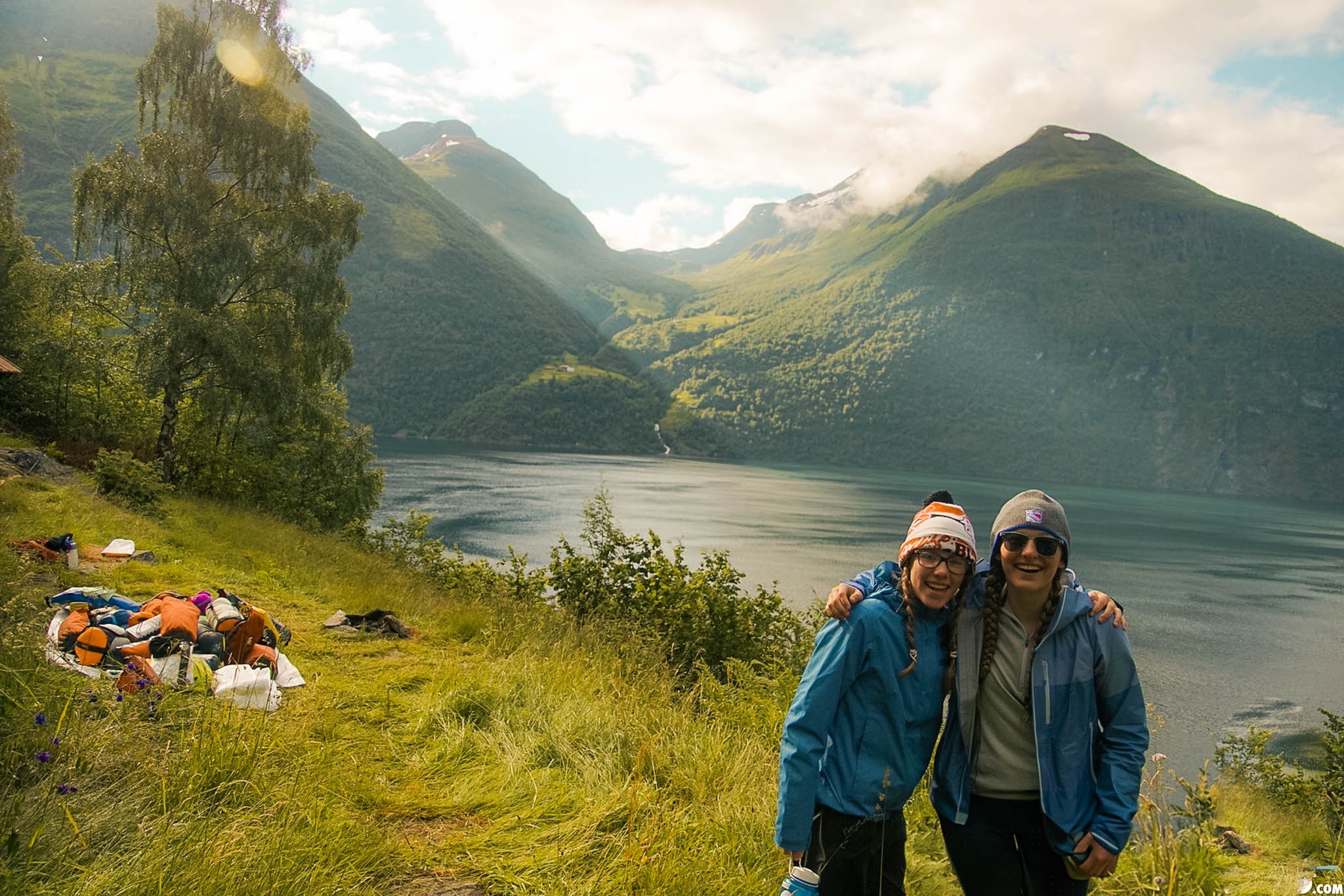
Norway: Peaks and Valleys is RLT’s most expedition-focused trip.
It is 21 days for high school students completing grades 9 to 12, with a five-day backpacking route through Jotunheimen National Park, five days of sea kayaking through fjords, and a 50-mile bike ride on the historic Rallarvegen route.
The trip page lists service hours as N/A. This program is built around wilderness travel, long active days, backcountry camping, weather, and group expedition skills.
Here are three things families may not know before reading the full itinerary.
1. The backpacking section is five days and 40 miles
Days 5 to 9 are the backpacking section through Jotunheimen National Park.
Students hike 40 miles through glaciers, alpine lakes, and mountain peaks. These are ancient trails that have been used for generations. The group camps in tents at rustic sites with basic or backcountry-style bathrooms.
This is the most demanding stretch of the trip.
Students carry their own gear and help carry group gear during the backcountry portion. That is why the packing list matters. A 70-liter backpacking pack is required, along with broken-in hiking boots and cold-weather, backpacking-specific clothing.
The trip is designed with beginners in mind, and the trip page notes that many participants are new to backcountry travel. Still, students need to prepare. They should be comfortable camping, ready for long active days, and able to carry a loaded pack.
2. The second half moves from fjords to bikes
After the backpacking section, the group resets in Voss on Day 10 with showers, laundry, and a slower day in town.
Days 11 to 15 are spent sea kayaking along Norway’s fjords. Students paddle between fjords and islands, look for wildlife, and camp in remote locations.
Day 16 is another rest and prep day in Voss.
Days 17 to 19 shift to biking. The group rides 50 miles along the Rallarvegen route, which was built to support railway construction. The trail begins in the high country and descends into the fjordlands, with mountain scenery along the way.
That movement is what defines Norway. Students are not staying in one basecamp and taking day trips. They are traveling by foot, kayak, and bike, with rest days placed between the major sections so the group can recover and prepare.
3. The gear list is more specific than most trips
Norway has a few gear requirements families should plan for early.
Students need:
- A 70-liter backpacking pack suitable for carrying personal and group gear
- Quality hiking boots that are broken in before the trip
- Cold-weather and backpacking-specific clothing and equipment
- A sleeping bag and sleeping pad
- Comfortable, durable layers for changing conditions
Norway’s summer weather can vary. The trip page notes that the group may see sunshine, rain, wind, and, once in a while, snow in the mountains.
This is not the trip to break in boots on Day 1.
If your teen does not already own the right backpack or boots, start early. Fit matters. Comfort matters. So does practicing with the gear before departure.
What the trip looks like
Days 1 and 2 are arrival in Oslo, group orientation, games, and time settling in.
Day 3 is the scenic train ride to Otta, followed by camp setup.
Day 4 is expedition prep: packing gear, planning routes, and preparing for the multi-day hike.
Days 5 to 9 are backpacking in Jotunheimen National Park.
Day 10 is a rest day in Voss with showers, laundry, and time to reset.
Days 11 to 15 are sea kayaking through the fjords.
Day 16 is downtime in Voss and preparation for biking.
Days 17 to 19 are biking the Rallarvegen Trail.
Day 20 is Bergen, final reflection, and the RLT banquet.
Day 21 is travel home from Bergen.
What families should know before applying
Trip length and grade range. This is a 21-day trip for high school students completing grades 9 to 12.
Service hours. The trip page lists service hours as N/A.
Location. The trip travels through Oslo, Jotunheimen, Voss, and Bergen.
Travel. Families book flights into Oslo and out of Bergen. The trip page lists OSL for arrival and BGO for departure. Do not book flights until RLT sends the official travel windows.
Escorted flight option. An optional group flight with an RLT leader is available from the New York area.
Accommodations. Students spend most of the trip tent camping. Campsites range from front-country campgrounds to remote backcountry sites. The group also spends two nights in family-friendly hostels in Oslo and Bergen, with private rooms shared by 2 to 4 students and divided by gender.
Bathrooms and showers. Most campsites have basic bathroom access. In the backcountry, the group uses portable or natural setups. Showers are available every 2 to 4 days.
Food. Meals are simple, fresh, and planned by the group with leader guidance. Students rotate through cook crew, helping plan, prep, cook, and clean. Backcountry meals may include pasta, wraps, oatmeal, couscous, and hearty snacks.
Dietary needs. RLT accommodates allergies and dietary needs, including vegetarian, gluten-free, dairy-free, and more.
Packing. Norway has specific packing requirements: broken-in hiking boots, a 70-liter backpacking pack, and cold-weather, backpacking-specific clothing and equipment. Students also bring personal clothing, toiletries, a sleeping bag, and a sleeping pad. RLT provides group gear, including tents, cooking equipment, and specialized activity equipment.
Physical preparation. The trip page describes Norway as an adventurous trip for students in good physical standing. Students should be comfortable camping, ready for long active days, and able to carry personal gear plus help with group gear. RLT recommends breaking in hiking boots and building physical activity into the weeks and months before the trip.
Passport. A valid passport is required and must be valid for at least 6 months beyond the return date. U.S. citizens do not need a visa for Norway if staying under 90 days.
Trip insurance. Trip insurance is required for international programs.
Vaccinations. The trip page notes that no specific shots are required beyond routine immunizations based on current CDC guidelines. Families should make sure students are up to date on routine vaccinations, including a tetanus booster within the past 10 years, and check with a pediatrician before international travel.
Phones. This program is phone-free. Leaders collect phones and personal electronics on Day 1 and return them at the end. Digital cameras and GoPros are welcome.
Questions families often ask
How fit does my teen need to be?
Students should be ready for long active days, camping, backpacking, kayaking, biking, and carrying personal gear plus helping with group gear during the backcountry section. The trip page recommends preparing in advance.
Can my teen go if they have never backpacked before?
Yes, if the fit is right. The trip page says the program is designed with beginners in mind and that many participants are new to backcountry adventures. Preparation still matters.
What kind of pack does my teen need?
Students need a 70-liter backpacking pack suitable for carrying personal and group gear. A regular school backpack or small daypack is not enough for this trip.
Where do students sleep?
Students spend most nights in shared tents. The trip also includes hostel stays in Oslo and Bergen.
Are there showers during the trip?
Yes, but not every day. Showers are available every 2 to 4 days.
Is there service work on this trip?
No. The trip page lists service hours as N/A. Norway is focused on backpacking, sea kayaking, biking, camping, and wilderness travel.
How to talk to your teen about this trip
Before they go, you might say:
“You’ll spend three weeks in Norway backpacking through Jotunheimen, sea kayaking through fjords, biking the Rallarvegen Trail, camping most nights, and carrying your own gear. You’ll need broken-in hiking boots, a 70-liter pack, and some physical preparation before you leave.”
After they come home, ask:
“What was the hardest day of backpacking?”
“What did you carry in your pack?”
“What was it like camping during the kayaking section?”
“What did the Rallarvegen bike ride feel like?”
“What did you notice about the group after three weeks together?”
Explore the Norway trip
For dates, tuition, itinerary, accommodations, packing details, paperwork, and the technology policy, visit the full trip page.