3 Things Most Families Don't Know About Our France & Italy Trip
TL;DR

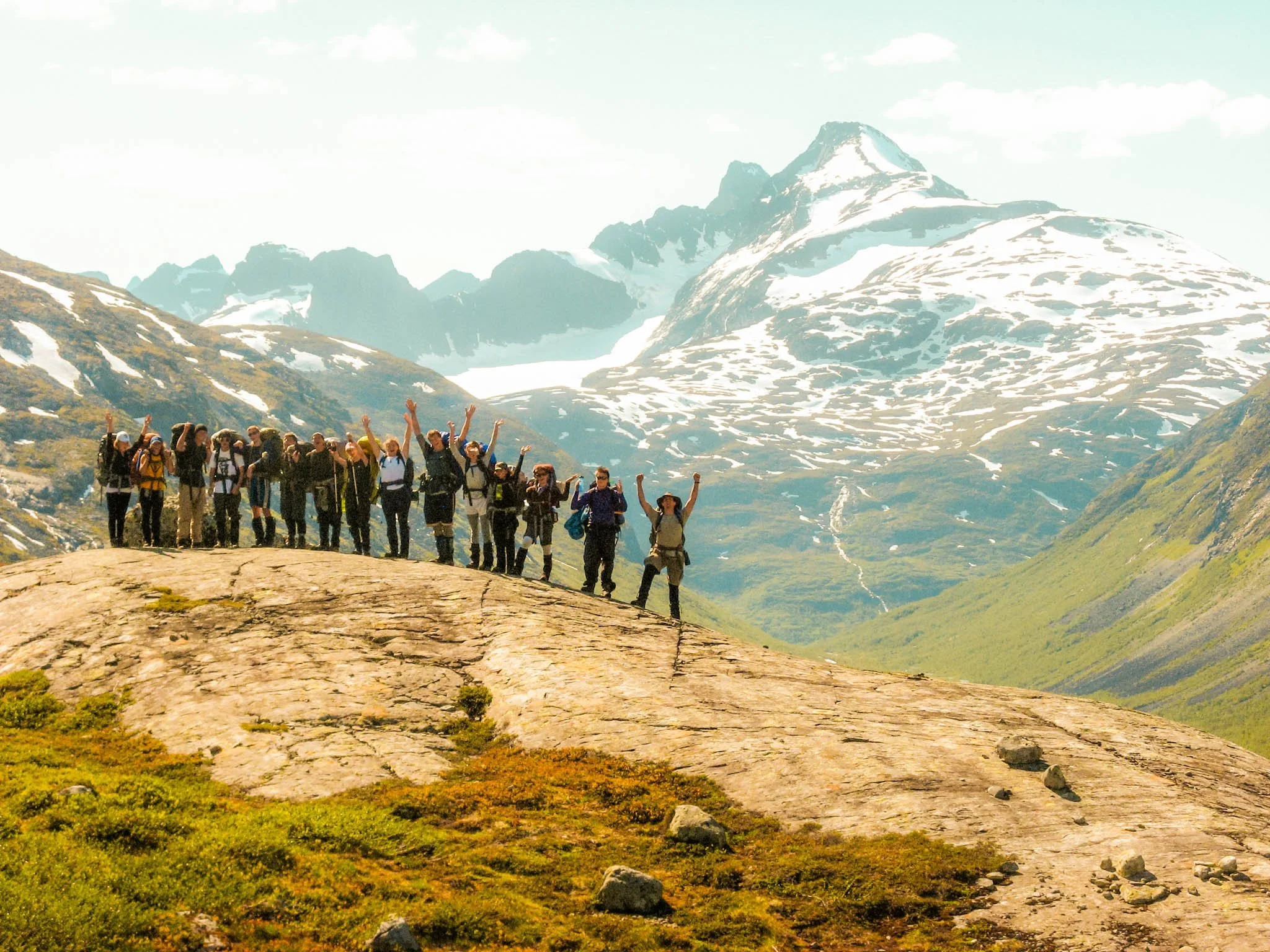
Most parents think "teen travel to Europe" means guided museum tours—but RLT's France & Italy trip is really about climbing secured rock faces, sleeping in alpine cabins, and doing active conservation work in the Parc National des Écrins. Teens spend half the trip in sleeping yurts and mountain refuges, hiking to remote locations to restore trails and assess conditions. They climb Via Ferrata (cables bolted into mountainsides), paddle across twin crater lakes (Sete Cidades), and spend three days working alongside Italian partners on environmental projects near Milan. It's not a resort trip. It's an adventure with a service spine.


How parents should read this post

The "European adventure" label gets thrown around a lot. Here's what RLT's Alps experience actually looks like—and why the structure matters to your teen's growth.


1. They're climbing Via Ferrata and canyoning on Day 7—actual secured rock climbing, not ropes-course games

Direct answer: Your teen will climb real alpine rock faces using permanently anchored cables, metal rungs, and safety gear, then spend the afternoon sliding down natural waterfalls and rappelling into pools.

Parents sometimes think "climbing" on teen trips means rope courses in municipal parks. RLT's France & Italy trip includes a full day of Via Ferrata—a discipline that originated in the European Alps and involves climbing steep rock faces that have been retrofitted with steel cables, metal pegs, and rungs bolted directly into the rock. It's not glamorous, and it's real.

On Day 7, the group heads to a Via Ferrata course in the Champoléon Valley region of the Parc National des Écrins, one of France's premier protected alpine environments (Source: Parc National des Écrins UNESCO documentation). Teens climb routes of varying difficulty, learning proper belaying technique, footwork on minimal handholds, and how to manage exposure—the sensation of climbing high with real consequences. They're moving their own body weight up a cliff face, not being lowered by a zip line.

Multi-pitch rock climbing on real alpine rock faces—as opposed to indoor or roped-course climbing—develops both technical competence and psychological resilience. Research in outdoor adventure education consistently shows that teens gain measurable increases in self-efficacy and confidence transfer (applying confidence gained in climbing to other challenging situations) when climbing is done on real terrain with real consequences, not in simulated or highly controlled settings. The key difference: it's not simulated challenge. The rock is real, the equipment is real, and so is the growth.

After climbing, the group suits up in wetsuits for a full afternoon of canyoning—sliding down natural stone channels worn smooth by water, jumping into pools, and rappelling down waterfalls. It's pure technical water-mountain experience, with all the intensity and cold-water adrenaline that comes with it.


2. Teens sleep in a real alpine refuge on Day 4-5—a mountain cabin 1,500 meters up with no road access

Direct answer: Your teen will hike to a remote mountain cabin (refuge) in the French Alps, sleep in bunks, and eat dinner prepared communally by hikers and staff—an experience most teen travelers never get.

Alpine refuges in the European Alps are unlike any American teen-travel accommodation. They're not hotels. They're working mountain shelters, often perched on ridgelines or remote valleys, accessible only by foot. The Refuge du Tourond (or similar high-alpine shelter, depending on the season) sits at 1,500+ meters elevation, a 4-5 hour hike from the basecamp in Ancelle.

On Days 4-5, the group hikes the Champoléon Valley trail with a local guide, climbing into lush alpine meadows, crossing streams, and watching for ibex (wild mountain goats). The refuge itself is communal—teens sleep in bunk rooms shared with other hikers, eat family-style dinners with strangers, and experience the rhythm of alpine life: early sunrises, shared chores, and people from across Europe united by the mountain.

According to the French Alpine Club, approximately 450 staffed mountain refuges operate across the Alps, serving over 2 million visitors annually. These refuges operate on principles of communal living and minimal comfort—pit toilets, hand-pumped water, simple shared meals—that date back to their origins in 19th-century mountaineering culture (Source: Fédération Française de la Montagne et de l'Escalade).

Mountain refuges operate on principles fundamentally different from hotels. Shared meals, communal spaces, minimal private amenities, and direct participation in shelter operations create a genuinely different living experience. Teens who stay in refuges report that the simplicity—lack of WiFi, minimal hot water, small shared rooms—paradoxically deepens both group connection and personal resilience. This isn't hardship; it's intentional simplicity that clarifies what actually matters.

Your teen will be tired, will sleep hard, and will come home with a fundamentally different understanding of comfort and community than resort-trip teens develop.


3. Days 10-12: They're restoring Italian trails and working on environmental projects with local NGO partners near Milan—not just hiking past them

Direct answer: Your teen will spend three days working alongside Italian environmental organizations, clearing overgrown sections of trail, learning trail-building technique, and helping protect ecosystems that have been designated as protected by the European Union.

Parents often imagine "service" on teen trips as a half-day volunteer photo op. RLT's Italy segment is different. After crossing the border from France on Day 9, the group settles into rural Piedmont region and spends Days 10-12 working on actual environmental restoration projects with local partners.

The work varies by season and community need, but typically includes trail maintenance, invasive species removal, and habitat restoration in areas adjacent to the Parco Nazionale del Gran Paradiso, one of Italy's oldest protected areas (established 1856). Teens learn proper trail-building technique: how to angle drainage, cut roots safely, and rebuild eroded sections without damaging surrounding vegetation.

Service-learning in protected natural areas builds deeper environmental understanding than tourism alone. Teens who spend 3+ days doing hands-on conservation work (trail restoration, invasive species removal, habitat assessment) develop measurably greater understanding of conservation challenges, local ecology, and personal agency in environmental protection. The work—not the instruction—is what drives this learning.

Dr. Robin Wall Kimmerer's Braiding Sweetgrass emphasizes that direct engagement with natural systems—planting, harvesting, restoring, observing—teaches ecological relationships in ways that lectures and photographs cannot. When teens are doing this work alongside scientists and conservation professionals, they internalize both the ecological reality and the personal possibility of environmental stewardship.

The final days in Milan (Days 13-14) include city exploration, cultural immersion, and a celebration banquet—but the service spine is the anchor of the trip.


How to talk to your teen about this trip

Before they go: "You'll be sleeping in mountain cabins and climbing real rock faces. Bring a journal you don't mind getting muddy, and expect to learn plant names in three languages."

After they return: "What surprised you most about the refuge? What did the trail-restoration team teach you about how mountains change?"


FAQ

Q: What's the difference between RLT's Alps trip and other teen Europe programs? A: Many teen European programs are city-focused or resort-based. RLT's Alps trip prioritizes wilderness, service, and technical skill-building: climbing, kayaking, trail work. You're doing the work, not watching it.

Q: What's the pace like for teens who aren't super fit? A: Moderate to high fitness is expected. Daily hikes range 5-10 miles, some with elevation gain. If your teen is building fitness, we recommend starting with a domestic trip first and returning to Europe later.

Q: Do teens sleep in tents the whole time? A: No. Mix of tent camping (6 nights), alpine refuge (1 night), and private Airbnb-style housing in Italy (5 nights). All bedding provided; teens sleep 2-3 per tent or bunk, organized by gender.

Q: What happens if my teen is scared of heights? A: Via Ferrata and kayaking are core trip elements. Talk to RLT leadership during your director call. Fear of heights is common but can escalate if unmanaged on a group trip.

Q: How much Italian or French do they need to speak? A: None. Our guides and service partners speak English. Teens often pick up basic phrases naturally over two weeks.

Q: What's the service work really like? Is it hard labor? A: Yes—trail work involves digging, hauling, and sustained physical effort. It's not construction, but it's real work. Teens often find it the most memorable and proud part of the trip.


Talk with us

TL;DR

Most parents think "teen travel to Europe" means guided museum tours—but RLT's France & Italy trip is really about climbing secured rock faces, sleeping in alpine cabins, and doing active conservation work in the Parc National des Écrins. Teens spend half the trip in sleeping yurts and mountain refuges, hiking to remote locations to restore trails and assess conditions. They climb Via Ferrata (cables bolted into mountainsides), paddle across twin crater lakes (Sete Cidades), and spend three days working alongside Italian partners on environmental projects near Milan. It's not a resort trip. It's an adventure with a service spine.


How parents should read this post

The "European adventure" label gets thrown around a lot. Here's what RLT's Alps experience actually looks like—and why the structure matters to your teen's growth.


1. They're climbing Via Ferrata and canyoning on Day 7—actual secured rock climbing, not ropes-course games

Direct answer: Your teen will climb real alpine rock faces using permanently anchored cables, metal rungs, and safety gear, then spend the afternoon sliding down natural waterfalls and rappelling into pools.

Parents sometimes think "climbing" on teen trips means rope courses in municipal parks. RLT's France & Italy trip includes a full day of Via Ferrata—a discipline that originated in the European Alps and involves climbing steep rock faces that have been retrofitted with steel cables, metal pegs, and rungs bolted directly into the rock. It's not glamorous, and it's real.

On Day 7, the group heads to a Via Ferrata course in the Champoléon Valley region of the Parc National des Écrins, one of France's premier protected alpine environments (Source: Parc National des Écrins UNESCO documentation). Teens climb routes of varying difficulty, learning proper belaying technique, footwork on minimal handholds, and how to manage exposure—the sensation of climbing high with real consequences. They're moving their own body weight up a cliff face, not being lowered by a zip line.

Multi-pitch rock climbing on real alpine rock faces—as opposed to indoor or roped-course climbing—develops both technical competence and psychological resilience. Research in outdoor adventure education consistently shows that teens gain measurable increases in self-efficacy and confidence transfer (applying confidence gained in climbing to other challenging situations) when climbing is done on real terrain with real consequences, not in simulated or highly controlled settings. The key difference: it's not simulated challenge. The rock is real, the equipment is real, and so is the growth.

After climbing, the group suits up in wetsuits for a full afternoon of canyoning—sliding down natural stone channels worn smooth by water, jumping into pools, and rappelling down waterfalls. It's pure technical water-mountain experience, with all the intensity and cold-water adrenaline that comes with it.


2. Teens sleep in a real alpine refuge on Day 4-5—a mountain cabin 1,500 meters up with no road access

Direct answer: Your teen will hike to a remote mountain cabin (refuge) in the French Alps, sleep in bunks, and eat dinner prepared communally by hikers and staff—an experience most teen travelers never get.

Alpine refuges in the European Alps are unlike any American teen-travel accommodation. They're not hotels. They're working mountain shelters, often perched on ridgelines or remote valleys, accessible only by foot. The Refuge du Tourond (or similar high-alpine shelter, depending on the season) sits at 1,500+ meters elevation, a 4-5 hour hike from the basecamp in Ancelle.

On Days 4-5, the group hikes the Champoléon Valley trail with a local guide, climbing into lush alpine meadows, crossing streams, and watching for ibex (wild mountain goats). The refuge itself is communal—teens sleep in bunk rooms shared with other hikers, eat family-style dinners with strangers, and experience the rhythm of alpine life: early sunrises, shared chores, and people from across Europe united by the mountain.

According to the French Alpine Club, approximately 450 staffed mountain refuges operate across the Alps, serving over 2 million visitors annually. These refuges operate on principles of communal living and minimal comfort—pit toilets, hand-pumped water, simple shared meals—that date back to their origins in 19th-century mountaineering culture (Source: Fédération Française de la Montagne et de l'Escalade).

Mountain refuges operate on principles fundamentally different from hotels. Shared meals, communal spaces, minimal private amenities, and direct participation in shelter operations create a genuinely different living experience. Teens who stay in refuges report that the simplicity—lack of WiFi, minimal hot water, small shared rooms—paradoxically deepens both group connection and personal resilience. This isn't hardship; it's intentional simplicity that clarifies what actually matters.

Your teen will be tired, will sleep hard, and will come home with a fundamentally different understanding of comfort and community than resort-trip teens develop.uestions about what trail restoration actually looks like, or whether alpine refuge stays are right for your teen? Schedule a call with an RLT director to walk through daily structure, fitness requirements, and what your teen will carry in their backpack.

Laura Dunmire