
3 Things Most Families Don't Know About Our Hawaii Trip
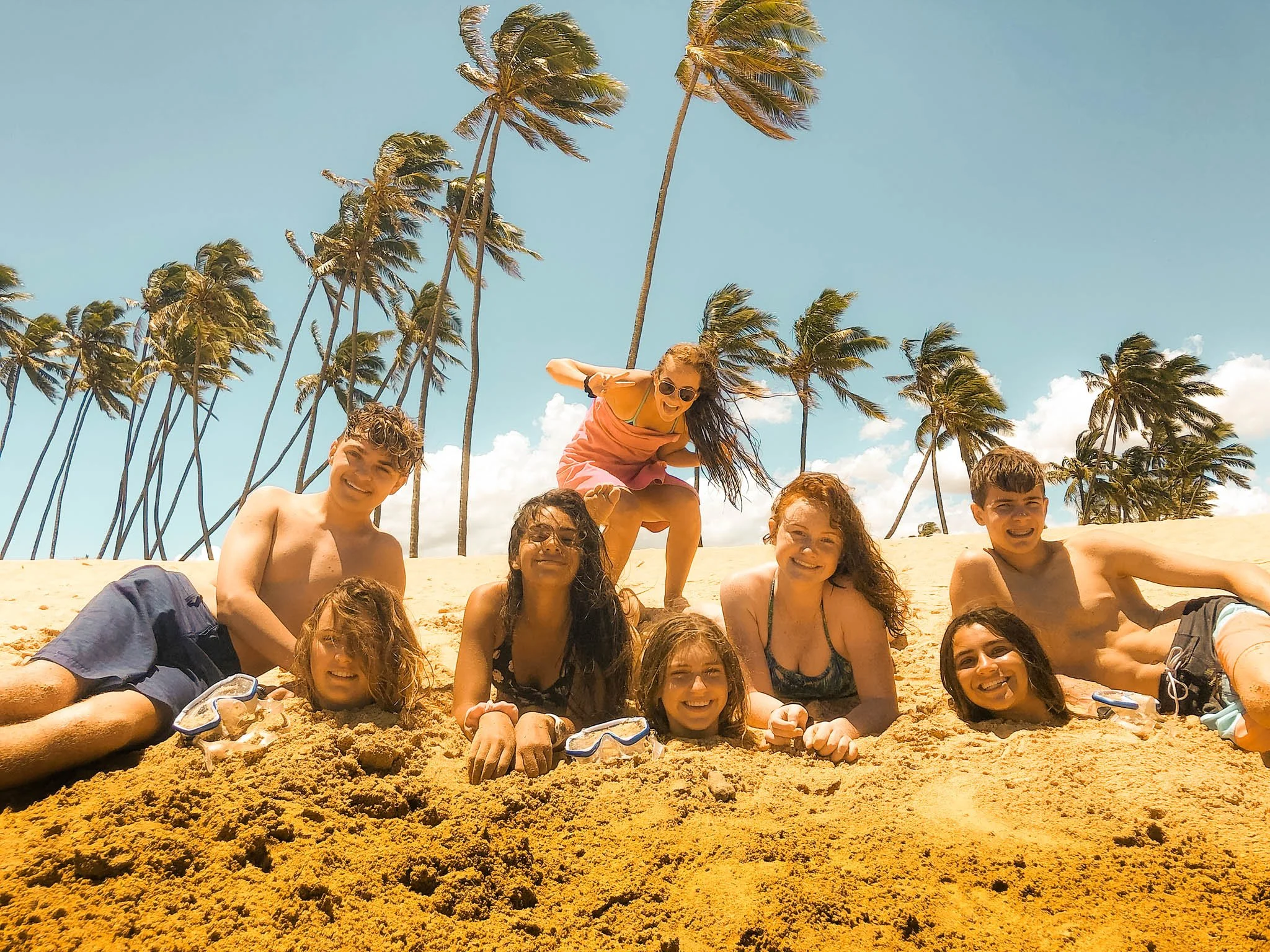
Hawaii: Island Exploration is a 14-day high school trip on Maui.
Students spend the full trip tent camping at a beachside campground, with days built around community service, native landscape restoration, surfing, snorkeling, cultural learning, and time on the water.
The trip is beautiful, but it is not built around scenery alone. Students help with service projects, cook at camp, sleep in tents, and move through the island with a small group.
Here are three things families may not know before reading the full itinerary.
1. Service work is built into the first half of the trip
Days 2 to 4 begin the community service portion of the trip.
Students work with local partners on projects that may include invasive species removal, native planting, trail maintenance, erosion control, and beach cleanups. The exact projects can vary year to year depending on local needs.
Days 7 and 8 bring the group back to environmental project work. During this stretch, students learn more about local conservation and sustainable energy, including the role of wind turbines. The group also says goodbye to local partners at Maui Cultural Lands.
That structure matters.
Service is not tucked into one afternoon. Students spend multiple days working on projects connected to the island’s land, coastline, and conservation needs.
2. The water days are varied, not repetitive
The Hawaii itinerary includes several different kinds of water days.
Day 5 starts with local history in a historic whaling village, followed by surf lessons with local guides. Students learn how to read waves, balance on their boards, and spend time in the water.
Day 6 is Black Rock Beach, with games, swimming, snorkeling, and a beach picnic.
Day 9 is a boat trip to Molokini Crater for snorkeling and time exploring the underwater ecosystem.
Day 11 brings a second surf day, followed by tidepools and beach time.
Day 12 is a cultural canoe tour along Maui’s rocky coastline. The group paddles with a guide and learns how the history of Hawai’i is connected with the land. The day may also include swimming, snorkeling, and opportunities to spot local wildlife.
The water is not one activity repeated all week. Students are surfing, snorkeling, paddling, swimming, and learning from guides who help connect the activities back to place.
3. Students tent camp for the full trip
The Hawaii trip is tent camping for the full two weeks.
Students stay at a beachside campground on Maui. Tents are shared by 2 to 3 students and divided by gender. Everyone helps set up camp, cook meals, and keep shared spaces clean.
The campground has flush toilets, showers, and laundry facilities. Short showers are available every 1 to 2 days.
That camping setup shapes the trip. Students are not moving in and out of hotels. They wake up at camp, help with food, rinse off after beach days, organize gear, and learn the small routines that make group living work.
What the trip looks like
Day 1 is arrival in Maui, transfer to the campsite, camp setup, and group orientation.
Days 2 to 4 are community service projects with local partners.
Day 5 is local history and surf lessons.
Day 6 is Black Rock Beach for swimming, snorkeling, games, and a beach picnic.
Days 7 and 8 return to service projects and local conservation learning.
Day 9 is snorkeling at Molokini Crater by boat.
Day 10 is the Road to Hana, with stops at waterfalls, black and red sand beaches, flower farms, and local food spots.
Day 11 is another surf day, plus tidepools and beach time.
Day 12 is the cultural canoe tour.
Day 13 is an early sunrise over the Pacific, a final hike, local treats, the closing RLT banquet, and one last campfire.
Day 14 is travel home.
What families should know before applying
Trip length and grade range. This is a 14-day trip for high school students completing grades 9 to 12.
Location. The trip takes place on Maui, Hawaii.
Travel. Families book flights to and from Maui, Hawaii. We use OGG as the gateway airport. Do not book flights until RLT sends the official travel window.
Accommodations. Students tent camp for the full two weeks at a beachside campground on Maui. Tents are shared by 2 to 3 students, divided by gender.
Bathrooms and showers. The campsite has flush toilets, showers, and laundry facilities. Short showers are available every 1 to 2 days.
Food. Small groups rotate through cook crew, helping plan, prep, cook, and clean for the whole camp. Expect meals like poke bowls, tacos, pasta, pancakes, and grilled vegetables.
Dietary needs. RLT accommodates allergies and dietary needs, including vegetarian, vegan, nut-free, gluten-free, dairy-free, and more.
Packing. RLT recommends one checked soft-sided duffel bag, not a rolling suitcase, plus a small carry-on backpack. Students bring personal clothing, toiletries, and individual camping gear such as a sleeping bag and sleeping pad. RLT provides group gear, including tents, cooking equipment, and specialized activity equipment.
Trip insurance. Trip insurance is not required for this domestic program, but RLT strongly encourages it.
Passport. U.S. citizens do not need a passport for this domestic program.
Phones. This trip is device-free. Leaders collect phones and personal electronics on Day 1 and return them at the end. Digital cameras and GoPros are welcome as long as they do not connect to the internet.
Questions families often ask
Does my teen need surf experience?
No surf experience is listed as required. The itinerary includes surf lessons with local guides on Day 5 and another surfing day on Day 11.
Does my teen need to be comfortable in the water?
Yes. The itinerary includes surfing, snorkeling, swimming, a boat trip to Molokini Crater, tidepools, and a cultural canoe tour. If water comfort is a concern, talk with us before enrolling so we can help you think through fit.
Is the trip camping the whole time?
Yes. Students tent camp for the full two weeks at a beachside campground on Maui.
What kind of service do students do?
Service projects may include invasive species removal, native planting, trail maintenance, erosion control, and beach cleanups. Projects vary depending on local needs.
Is this a resort-style Hawaii trip?
No. Students camp, help cook, support service projects, travel without phones, and spend active days outdoors and on the water.
How to talk to your teen about this trip
Before they go, you might say:
“You’ll spend two weeks camping on Maui with a high school group. You’ll help with conservation projects, surf, snorkel at Molokini Crater, visit Black Rock Beach, travel the Road to Hana, paddle on a cultural canoe tour, cook at camp, and be off your phone.”
After they come home, ask:
“What did your group work on during service?”
“What was the campground routine like?”
“What did you notice while snorkeling at Molokini?”
“What was the Road to Hana day like?”
“What did your cook crew make?”
Explore the Hawaii trip
For dates, tuition, itinerary, accommodations, packing details, paperwork, and the technology policy, see the full Hawaii itinerary.