
3 Things Most Families Don't Know About Our Japan Trip
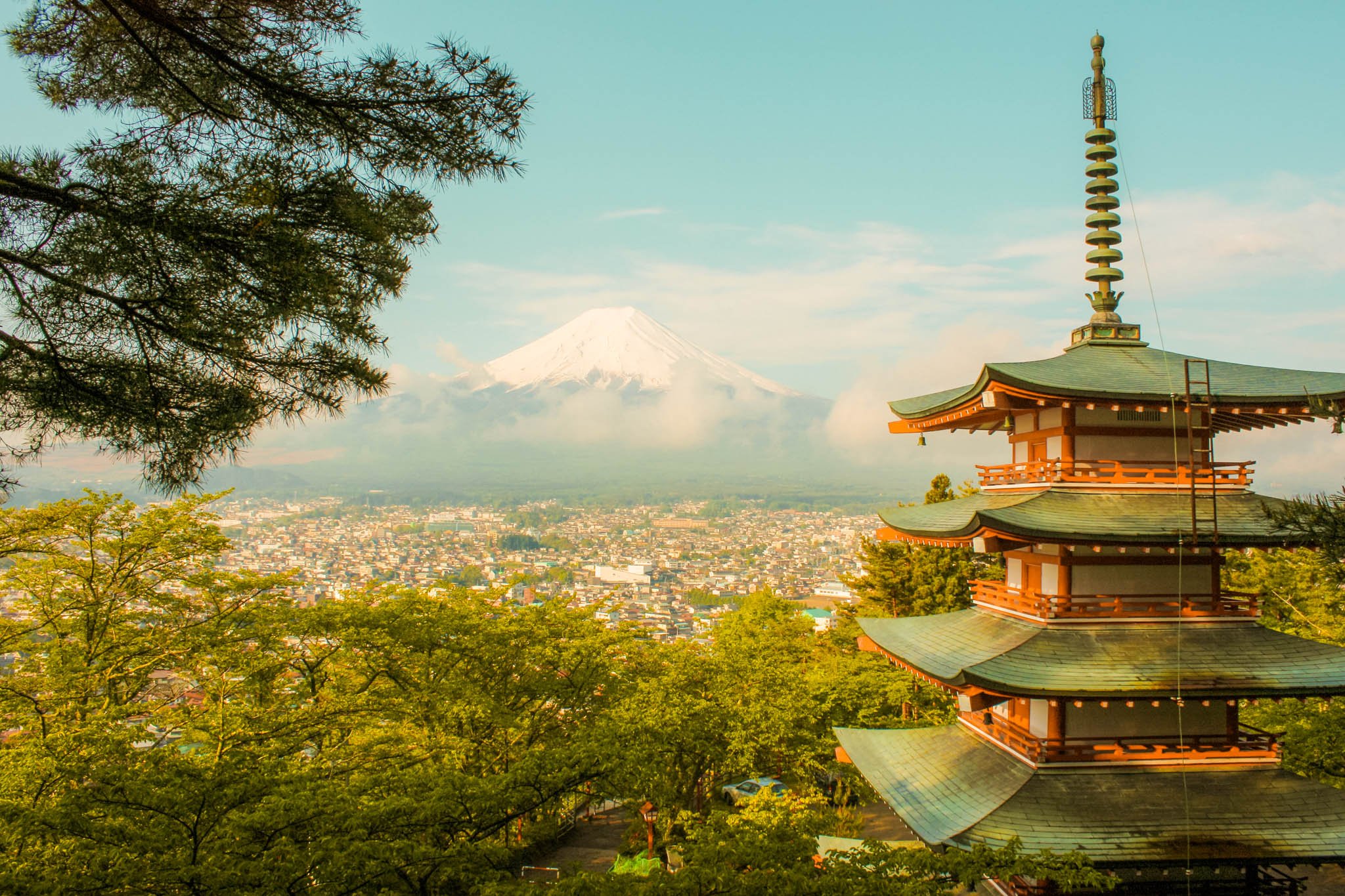
Japan is a 15-day high school trip for students completing grades 9 to 12.
The trip starts in Tokyo, then moves north by Shinkansen to Yamagata. Students see city life, temple grounds, rural schools, mountain villages, coastal towns, and the slower routines of traditional crafts and food.
The service exchanges anchor the trip. Students are not only visiting Japan. They are meeting people, helping with local projects, and learning how culture shows up in daily work.
Here are three things families may not know before reading the full itinerary.
1. The service is built around exchange
The Japan trip includes 5 to 15 service hours, but the number does not tell the whole story.
In Yamagata, students spend time at local elementary and high schools. They introduce themselves in Japanese, lead cultural games, and connect with students through shared activities.
They help harvest and dye with safflowers, a plant used in traditional crafts. They make zori sandals with local artisans. They volunteer at a rural temple, where they learn rituals, write goshuin, help clean and care for temple grounds, and share a traditional meal with community members.
They also help community members cook traditional dishes during cultural exchange meals.
These are not drop-in projects. They are small, specific exchanges with people who live there: students, artisans, temple caretakers, and community members.
One practical note: students are required to bring a small gift from home for the school exchange. Bring something around $15 that represents their hometown or state. RLT also provides group gifts for students to distribute.
2. One night is spent in a shukubo
Day 10 brings the group to Tamugimata village near Mount Yudono, one of Japan’s three sacred peaks.
That night, students stay in a shukubo, a traditional pilgrim lodge used by Yamabushi monks. Students sleep on futons in tatami-mat rooms and experience a quieter pace in the Japanese countryside.
The next day, the group joins a Yamabushi ritual and climbs Mount Haguro. They also visit the Kamo Jellyfish Aquarium and spend time by the sea in Yura.
The shukubo night is only one night of the trip, but it gives students a different kind of cultural experience than a hotel can. The setting, food, sleeping arrangement, and rhythm of the place all ask them to slow down and pay attention.
3. The itinerary moves beyond Tokyo
The first part of the trip is urban and historic.
Days 1 and 2 include arrival in Tokyo, Sensoji Temple, Hamarikyu Gardens, Tsukiji Market, and a high-tech esports arcade.
Day 3 includes Meiji Shrine, Harajuku, and Shibuya Crossing.
Day 4 is a day trip to Kamakura to see the Great Buddha at Kotoku-in, followed by time on Enoshima Island.
On Day 5, the group rides the Shinkansen north to Yamagata. From there, the itinerary shifts into rural and regional Japan:
- A local cooking class to make imoni, Yamagata’s signature stew
- Yamadera, a mountaintop temple, followed by safflower harvest and dye work
- Haiku writing after visiting the Basho Memorial Museum
- School visits with elementary and high school students
- Zori sandal making with rural artisans
- Temple service in the mountains
- Samurai techniques and soba noodle making
- A Mogami River cruise
- Kimono in Ginzan Onsen
- Mount Yudono, Tamugimata village, and a shukubo stay
- A Yamabushi ritual and Mount Haguro
- Kamo Jellyfish Aquarium
- Sakata’s rice cracker factory, Sankyo rice storehouses, a seafood market lunch, and a Maiko performance
Days 13 and 14 bring the group back toward Tokyo for Narita’s historic canal district or Odaiba Island, a farewell dinner, and time to reflect before flying home on Day 15.
What families should know before applying
Trip length and grade range. This is a 15-day trip for high school students completing grades 9 to 12.
Service hours. 5 to 15 hours of service work.
Location. The trip travels through Tokyo, Yamagata, Tsuruoka, Sakata, coastal villages, mountain temples, and rural communities.
Travel. All participants fly together from either Los Angeles or San Francisco to Tokyo Narita. Do not book flights until RLT sends official flight windows.
Internal travel. RLT organizes and manages the Shinkansen ride from Tokyo to Yamagata and the return to Tokyo at the end of the trip.
Accommodations. Students stay mostly in modern, locally run hotels with twin rooms and private bathrooms. Rooms are shared by gender. One night is spent in a shukubo, where students sleep on futons in tatami-mat rooms.
Food. Meals are included. Breakfasts are served at hotels and include a mix of Western and Japanese options. Lunches are often grab-and-go or at casual spots. Dinners are usually sit-down meals arranged in advance. The trip includes a soba-making class, a home-cooked imoni dinner, and a traditional kaiseki meal.
Dietary needs. RLT can accommodate most dietary needs, including vegetarian, gluten-free, nut-free, and dairy-free. Families should contact RLT ahead of time to discuss specific needs.
Luggage. Because of train luggage restrictions, each student must bring one carry-on-size suitcase, not exceeding airline carry-on dimensions, plus a small soft bag or backpack. Laundry is readily available throughout the trip.
Gift for school exchange. Students are required to bring a small gift from home for the school exchange. A $15 item that represents their hometown or state is suggested.
Passport. A valid passport is required and must be valid for at least 6 months beyond the return date.
Trip insurance. Trip insurance is required for international programs.
Vaccinations. Expect that travel to Japan does not typically require additional vaccinations beyond routine CDC recommendations. RLT still encourages families to consult a physician or travel nurse for the most current information.
Phones. This program is phone-free. Leaders collect phones and personal electronics on Day 1 and return them at the end. Digital cameras and GoPros are welcome as long as they do not connect to the internet.
Questions families often ask
Does my teen need to speak Japanese?
No Japanese is required for our Japan trip. Students should be open to learning simple introductions, participating respectfully in school exchanges, and trying unfamiliar routines.
Is this mostly a Tokyo trip?
No. Tokyo is the starting and ending point, but much of the trip takes place in Yamagata, Tsuruoka, Sakata, mountain villages, schools, temples, and coastal communities.
What kind of service do students do?
Service includes school exchanges, safflower harvest and dye work, helping community members cook traditional dishes, temple care, and time with rural artisans and students.
Where do students sleep?
Students stay mostly in locally run hotels with twin rooms and private bathrooms. One night is spent in a shukubo, a traditional pilgrim lodge used by Yamabushi monks.
Why does Japan require different luggage?
Japan’s trains have luggage restrictions. Students must bring one carry-on-size suitcase plus a small soft bag or backpack, not a large duffel.
How to talk to your teen about this trip
Before they go, you might say:
“You’ll start in Tokyo, then ride the Shinkansen north to Yamagata. You’ll visit temples, schools, rural artisans, mountain villages, and coastal towns. You’ll help with safflower dyeing, school exchanges, temple care, traditional cooking, zori sandals, and cultural activities. You’ll be off your phone and moving through Japan with a small group.”
After they come home, ask:
“What was the school exchange like?”
“What did you make or learn from the artisans?”
“What was the shukubo night like?”
“What did you notice after leaving Tokyo?”
“What did you try eating that was new?”
Explore the Japan trip
For dates, tuition, itinerary, accommodations, packing details, paperwork, and the technology policy, see the full Japan itinerary.