
3 Things Most Families Don't Know About Our Yellowstone Trip
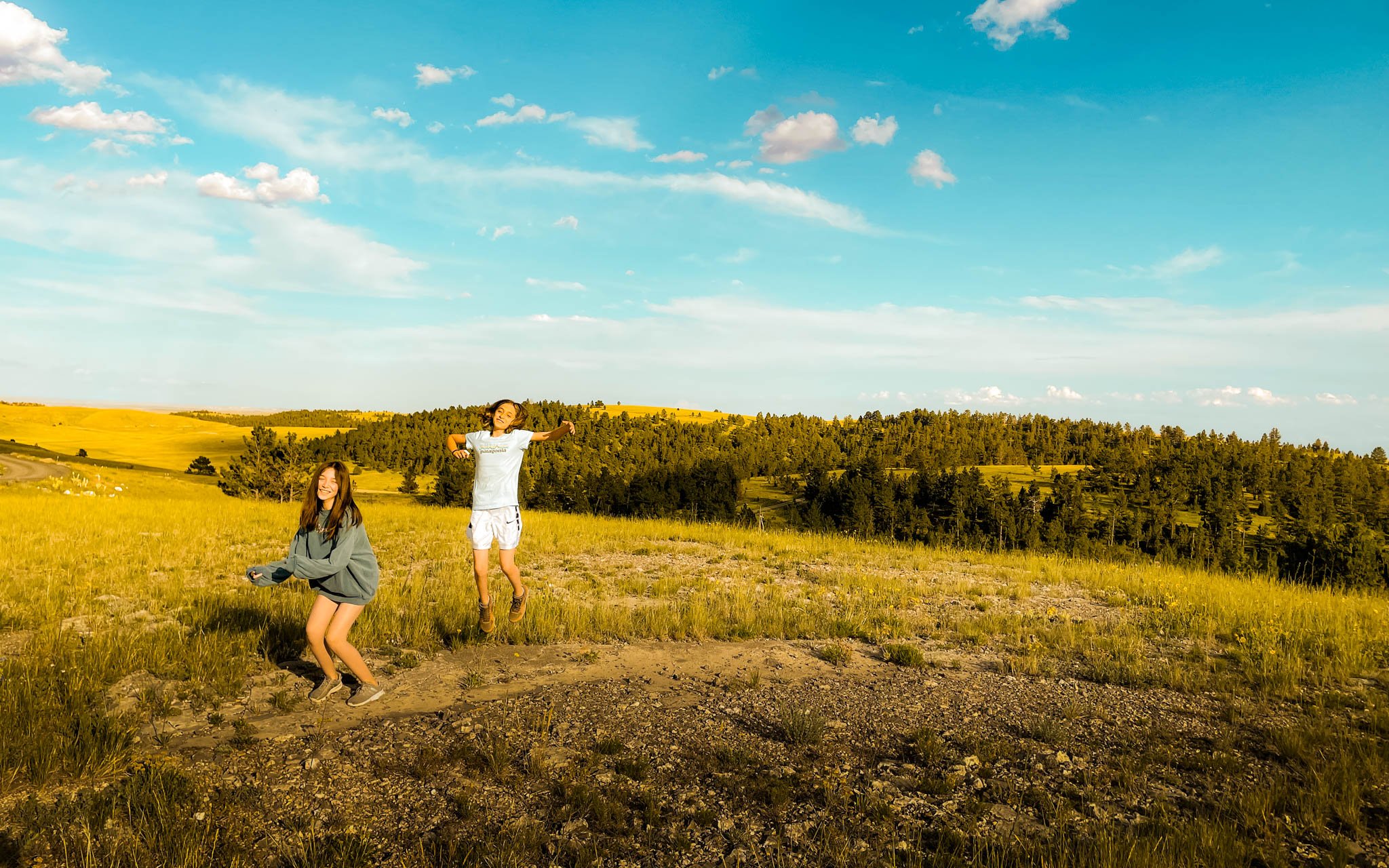
Yellowstone: Into the Geysers is a 14-day high school trip for students completing grades 9 to 12.
Students tent camp in and around Yellowstone, kayak Yellowstone Lake, spend two days in Grand Teton National Park, look for wildlife in Lamar Valley, complete conservation service projects, raft the Yellowstone River, summit Mt. Washburn, and rock climb near West Yellowstone.
It is not a bus tour through the park. Students are camping, cooking, paddling, hiking, serving, climbing, and learning how to move through a national park with care.
Here are three things families may not know before reading the full itinerary.
1. The service comes after students learn how to move through the park
Day 2 is group orientation and a Leave No Trace workshop.
That timing matters.
Before students do conservation work, they first learn backcountry basics and how to travel through Yellowstone with less impact.
Days 8 and 9 are focused on hands-on conservation projects that help protect Yellowstone’s landscapes and wildlife. The exact work can vary, but the purpose is clear: students spend time giving back to the same park they have been camping in, hiking through, paddling across, and learning about all week.
The service is not a separate add-on. It comes after students have already started to understand the place.
2. The activity days are full and varied
Yellowstone asks students to move in different ways.
Day 4 is kayaking on Yellowstone Lake, the country’s largest high-elevation lake. Students learn new paddling skills, explore scenic coves, and take in the scale of the lake from the water.
Days 5 and 6 bring the group south into Grand Teton National Park, where they explore a second national park with steep peaks, lakes, and a different kind of mountain landscape.
Day 10 is whitewater rafting on the Yellowstone River, with Class I to III rapids and guidance from professional guides.
Day 11 is the Mt. Washburn summit, with sweeping park views and time for the group to reflect on the trip so far.
Day 12 is rock climbing at Red Cliff, on outdoor routes near West Yellowstone. Students learn to belay, build technical skills, and support each other through the day.
No prior rafting, kayaking, or climbing experience is listed as required. Students should be ready to listen closely, follow instruction, and spend active days outside.
3. Lamar Valley gives students a different kind of patience
Day 7 is wildlife viewing in Lamar Valley.
Lamar Valley is sometimes called “America’s Serengeti,” and the group heads there to look for bison, elk, and possibly wolves or bears.
Wildlife viewing is not something anyone can guarantee. The work is in slowing down, scanning the valley, staying quiet, and understanding that animals move on their own time.
That kind of patience is useful on this trip. Yellowstone is full of dramatic places, geysers, waterfalls, hot springs, mountains, rivers, and wildlife, but students get more from the park when they are not rushing through it.
What the trip looks like
Day 1 is arrival in Bozeman, meeting leaders and the group, travel into Yellowstone, and camp setup.
Day 2 is group orientation, backcountry basics, and Leave No Trace.
Day 3 is the Grand Loop, with geysers, hot springs, and waterfalls, including places like Old Faithful, Grand Prismatic Spring, Mammoth Hot Springs, and Upper and Lower Yellowstone Falls.
Day 4 is kayaking on Yellowstone Lake.
Days 5 and 6 are in Grand Teton National Park.
Day 7 is wildlife viewing in Lamar Valley.
Days 8 and 9 are conservation service projects.
Day 10 is whitewater rafting on the Yellowstone River.
Day 11 is the Mt. Washburn summit.
Day 12 is rock climbing at Red Cliff.
Day 13 is a final hike, group reflection, campfire, and the traditional RLT banquet.
Day 14 is camp breakdown and travel home from Bozeman.
What families should know before applying
Trip length and grade range. This is a 14-day trip for high school students completing grades 9 to 12.
Tuition. $5,495 for our 2026 Yellowstone trip.
Location. The trip takes place in Yellowstone National Park, Montana, and Wyoming, with time in Grand Teton National Park.
Travel. Families book flights to and from Bozeman, Montana. We use BZN as the gateway airport. Do not book flights until RLT sends the official travel window.
Accommodations. Students tent camp in and around Yellowstone National Park for the full two weeks. Tents are shared by 2 to 3 students, divided by gender.
Bathrooms and showers. Campsites are simple and have rustic bathrooms. Short showers are typically available every 3 to 4 days.
Food. All meals are prepared together at camp. Students rotate through cook crew, helping plan, prep, cook, and clean with leader support. Expect meals like oatmeal, pasta, stir-fry, burrito bowls, and pancakes.
Dietary needs. RLT accommodates allergies and dietary needs, including vegetarian, gluten-free, dairy-free, and more.
Packing. RLT recommends one checked soft duffel bag, not a rolling suitcase, plus a small carry-on backpack. Students bring personal clothing, toiletries, and individual camping gear such as a sleeping bag and sleeping pad. RLT provides group gear, including tents, cooking equipment, and specialized activity equipment.
Trip insurance. Trip insurance is not required for this domestic program, but RLT encourages it.
Passport. A passport is not needed for this program.
Phones. This program is phone-free. Leaders collect phones and personal electronics on Day 1 and return them at the end. Digital cameras and GoPros are welcome as long as they do not connect to the internet.
Questions families often ask
Does my teen need previous camping experience?
Previous camping experience is not listed as required. Students should be ready to sleep in tents, help set up camp, cook meals, keep shared spaces clean, and live simply with the group.
Does my teen need rafting, kayaking, or climbing experience?
No prior experience is listed as required. The itinerary includes kayaking, rafting with professional guides, and rock climbing near West Yellowstone. Students should be ready to listen, follow instructions, and participate in active days.
What kind of service do students do?
Students complete hands-on conservation projects that help protect Yellowstone’s landscapes and wildlife. We do not list fixed tasks, so families should expect the exact work to depend on current project needs.
Where do students sleep?
Students tent camp in and around Yellowstone National Park for the full two weeks. Tents are shared by 2 to 3 students and divided by gender.
Will students see wildlife?
The itinerary includes wildlife viewing in Lamar Valley, with the possibility of seeing bison, elk, wolves, bears, and other wildlife. Sightings depend on timing, conditions, and animal movement.
How active is this trip?
Students should be ready for daily activity, including kayaking, hiking, conservation work, rafting, climbing, camp setup, cooking, and living outdoors for two weeks.
How to talk to your teen about this trip
Before they go, you might say:
“You’ll spend two weeks tent camping in and around Yellowstone. You’ll kayak Yellowstone Lake, visit Grand Teton, look for wildlife in Lamar Valley, help with conservation projects, raft the Yellowstone River, hike Mt. Washburn, rock climb near West Yellowstone, cook at camp, and be off your phone.”
After they come home, ask:
“What did you learn during the Leave No Trace workshop?”
“What did your group do during the conservation service days?”
“What was Yellowstone Lake like from the kayak?”
“What did you see in Lamar Valley?”
“What was the Mt. Washburn hike like?”
Explore the Yellowstone trip
For dates, tuition, itinerary, accommodations, packing details, paperwork, and the technology policy, see the full Yellowstone itinerary.