
Summer Trips Built Around Diving & Marine Science
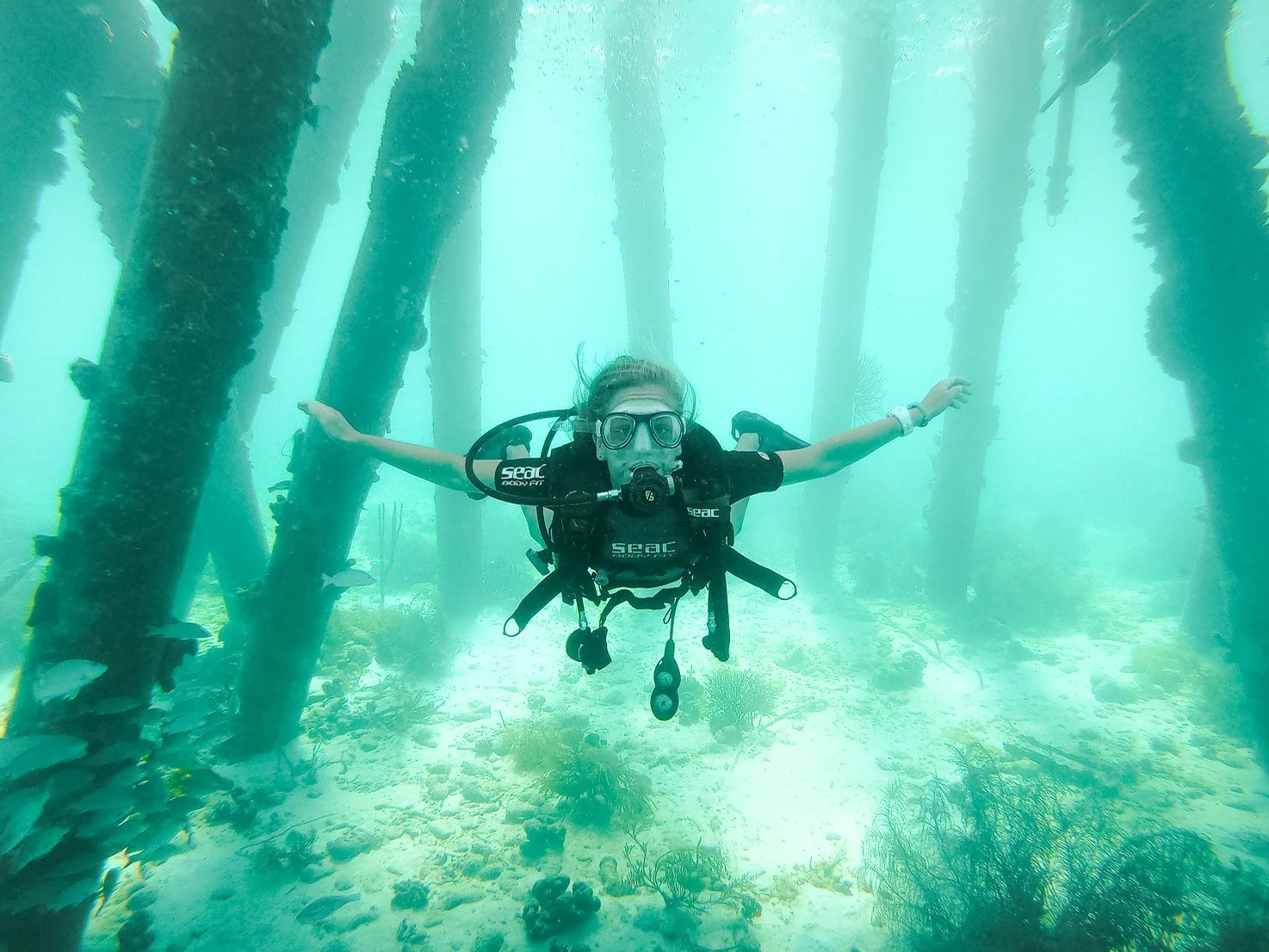
Coral reefs cover less than one percent of the ocean floor, but they support about 25 percent of all marine life.
That is a hard number for students to understand from a classroom.
It makes more sense when they are in the water: watching fish move through coral, learning how to control buoyancy, snorkeling over reef systems, or helping with marine conservation projects after seeing the ecosystem up close.
At RLT, our scuba and marine-focused trips are built around that connection.
Students do not need to arrive as experienced divers. On scuba programs, they train with PADI instructors and work toward certification. On middle school marine programs, students build water confidence through snorkeling, kayaking, paddleboarding, and guided reef learning.
The goal is not only to see the ocean. It is to understand more of what is happening under the surface.
Italy: Dive the Med
Italy: Dive the Med is a 14-day high school trip through Sardinia and Rome.
The diving starts in Sardinia.
Day 3 is snorkeling, dive prep, gear fitting, and meeting the instructors. Days 4 to 7 are focused on PADI certification and local exploration. New divers work toward Open Water certification, while experienced divers continue building more advanced skills.
Day 9 is the Dive Against Debris course. Students spend another day exploring underwater ecosystems while learning how marine debris affects the sea floor and coastal habitats.
The trip also includes Maddalena Island, coastal hiking along the Arzachena coast, and a dolphin excursion in Alghero, where students work with scientists to learn about and collect data on dolphin behavior.
The final stretch brings the group back to Rome for the Colosseum, Trevi Fountain, Pantheon, local food, and the final RLT banquet.
Why it fits this list: Students train as divers in the Mediterranean, complete a Dive Against Debris course, and connect marine learning with Sardinia’s coast, geology, and wildlife.
Puerto Rico: Reef Restoration
Puerto Rico: Reef Restoration is a 14-day high school trip for students completing grades 9 to 12.
Days 3 to 6 are focused on scuba training with PADI instructors. New divers work toward certification, while returning divers build deeper skills. Each day includes open water dives, classroom sessions, and time with the group.
After the dive training, the trip shifts into environmental service.
Days 8 to 10 are spent supporting local environmental organizations. Projects may include native species restoration, coral reef restoration, fish and seagrass identification, and other work connected to Puerto Rico’s land and water.
That order matters.
Students first spend several days seeing the underwater ecosystem. Then they support organizations working to protect and restore it.
The trip also includes El Yunque National Rainforest, snorkeling at El Escambrón Beach, paddleboarding in Condado Lagoon, the Caguana Ceremonial Indigenous Heritage Center, Castillo San Felipe del Morro, and the Pterocarpus Forest.
Why it fits this list: Students train with PADI instructors, then connect that water experience to environmental service focused on Puerto Rico’s reefs, seagrass, and coastal ecosystems.
Explore Puerto Rico: Reef Restoration
Puerto Rico: Reefs to Rainforest
Puerto Rico: Reefs to Rainforest is a 14-day middle school trip for students completing grades 6 to 8.
This is not a scuba trip. It is a water, rainforest, and service trip designed for younger students.
The itinerary includes snorkeling, swimming, paddleboarding, kayaking through a bioluminescent lagoon, hiking in El Yunque, ziplining, Old San Juan, a coffee farm, and a Pterocarpus forest hike.
Day 7 brings students to El Escambrón Beach for snorkeling, swimming, and spotting coral reef marine life.
Day 8 is a guided snorkeling excursion along the coast, where students may see sea turtles, tropical fish, and other marine life while learning about reef ecosystems from local guides.
The trip also includes environmental service and community projects during Days 3 to 5, including work with local organizations focused on hurricane recovery and conservation.
Why it fits this list: Middle school students begin with snorkeling and guided reef learning, not scuba. They still see the connection between rainforest, coastline, reefs, and community service.
Explore Puerto Rico: Reefs to Rainforest
What families should know
Scuba experience is not required for Italy or Puerto Rico high school.
New divers work toward certification during the trip. Returning divers may continue building more advanced skills.
Scuba programs require additional preparation.
RLT’s scuba page notes that students enrolled in Italy or Puerto Rico must complete the classroom portion of the course through PADI or SSI E-Learning before the program. This is a separate fee and is not included in RLT tuition.
Water comfort matters.
Scuba, snorkeling, kayaking, paddleboarding, and swimming are central to these programs. Students do not need to be experts, but they should be comfortable in and around the water.
Puerto Rico middle school is not a PADI program.
It introduces younger students to marine ecology through snorkeling, guided reef learning, water activities, rainforest hiking, and environmental service.
The conservation work varies by trip.
Italy includes Dive Against Debris and dolphin data collection. Puerto Rico high school includes environmental service that may involve native species restoration, coral reef restoration, fish and seagrass identification, and related projects. Puerto Rico middle school includes environmental service and community projects connected to hurricane recovery and conservation.
How to talk to your teen about these trips
Before they go, you might say:
“You do not need to arrive already knowing how to dive. If you choose Italy or Puerto Rico high school, you’ll train with instructors and build the skills step by step. If you choose Puerto Rico middle school, you’ll snorkel, paddle, hike, and learn about reefs from the water. Either way, you’ll be asked to pay attention to the ocean, not just swim in it.”
After they come home, ask:
“What did you notice underwater?”
“What did you learn about reef systems?”
“What conservation work did your group support?”
“What surprised you about diving or snorkeling?”
“What did you see in the water that you would have missed from shore?”
Explore RLT’s marine and scuba trips
Explore Puerto Rico: Reef Restoration